
Richard
Author
Share this article
Every product team says they listen to customers.
Very few actually build a system that turns customer feedback into better products.
The difference isn't collecting more feedback. It's collecting the right feedback, organizing it, prioritizing it, and closing the loop with customers.
Instead of treating feedback as a one time survey, successful SaaS companies build a continuous feedback engine that powers product decisions.
In this guide, we'll explore 10 proven methods to collect customer feedback and show you how to turn every suggestion into meaningful product improvements.
1. Create a Public Feedback Board
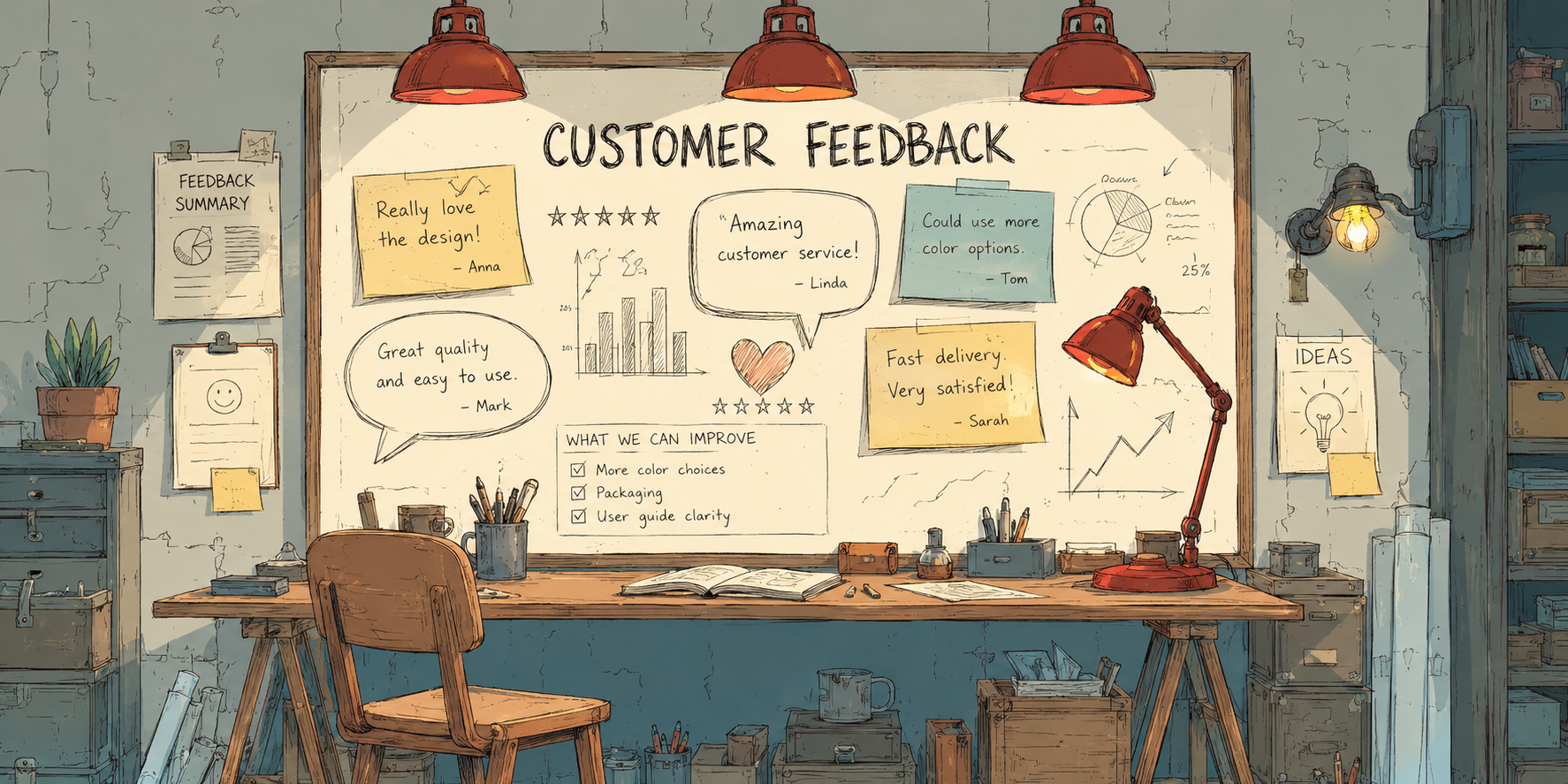
One of the easiest ways to encourage customer participation is giving users a dedicated place to submit ideas.
A public feedback board allows users to:
Submit feature requests
Report bugs
Suggest improvements
Vote on existing ideas
Discover what other customers want
"Something confusing?"
"Found a bug?"
"Have an idea?"
"Tell us what could be better."
After onboarding
After completing a task
After exporting data
After using a premium feature
After contacting support
Heavy users
Enterprise customers
Churned customers
Recently activated users
Beta testers
Bug
Feature request
UX issue
Documentation problem
Performance issue
Reddit
X
LinkedIn
Product communities
Discord
Facebook groups
Abandoned onboarding
Repeated failed actions
High exit pages
Low feature adoption
Frequent cancellations
Highest demand features
Community consensus
Emerging trends
Customer priorities
Under Review
Planned
In Progress
Completed
Collect feedback
Centralize requests
Remove duplicates
Prioritize by demand
Build transparently
Share progress publicly
Announce releases
Invite more feedback
Create public feedback boards
Collect feature requests
Let customers vote
Manage bug reports
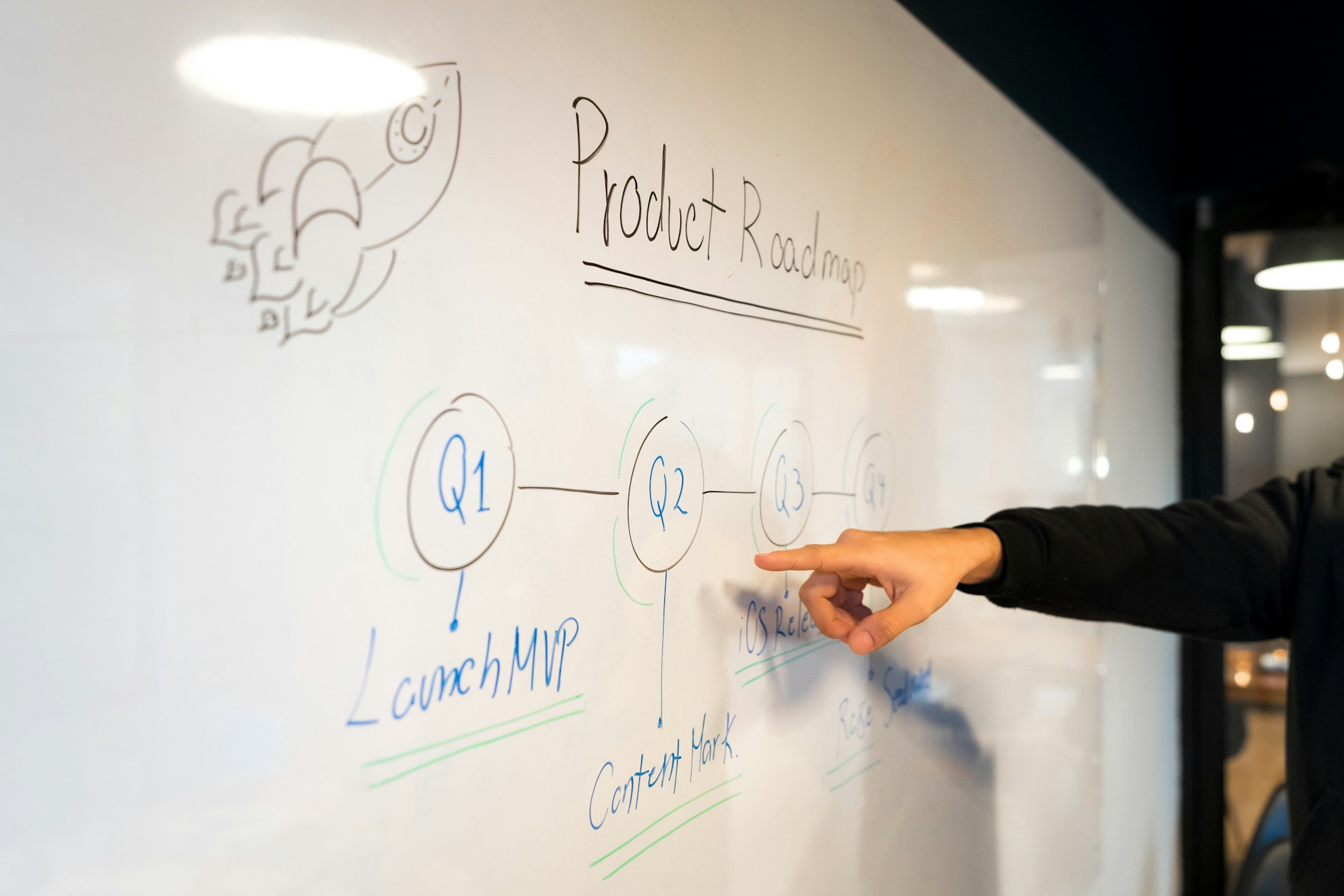
Publish a public roadmap
Share product changelogs
Keep users informed automatically
The biggest advantage is that duplicate requests naturally become votes instead of scattered conversations across email and chat.
Instead of hundreds of disconnected requests, you get one prioritized list driven by real demand.
2. Embed an In App Feedback Widget
The best moment to ask for feedback is while users are using your product.
An embedded widget removes friction and lets customers share thoughts immediately without leaving your app.
Examples:
Contextual feedback is significantly more valuable than asking weeks later through email.
3. Trigger Micro Surveys at Key Moments
Long surveys kill response rates.
Instead, ask one simple question after meaningful events:
One relevant question often provides more actionable insight than twenty generic ones.
4. Run Customer Interviews With Power Users
Numbers explain what happened.
Conversations explain why.
Interview:
Ask open ended questions instead of leading questions.
Focus on understanding workflows, frustrations, and expectations instead of validating your own assumptions.
5. Analyze Support Tickets as Product Feedback
Your support inbox is one of the richest product research databases you already own.
Every ticket should be categorized into:
Recurring support requests often reveal product opportunities before analytics do.
6. Listen to Social Media and Community Discussions
Customers often share more honest opinions publicly than privately.
Monitor:
The goal isn't just reputation management.
It's discovering unmet needs before competitors solve them.
7. Collect Passive Behavioral Feedback
Users don't always tell you what's wrong.
Sometimes their behavior tells you first.
Watch for:
Behavioral analytics combined with direct feedback creates a much more accurate picture than either source alone.
8. Build a Customer Voting System
Not every feature request deserves equal priority.
Voting helps product teams identify:
Instead of listening to the loudest customer, you can listen to the largest customer signal.
Voting also increases engagement because customers feel involved in shaping the product.
9. Share a Public Product Roadmap
Feedback without transparency creates frustration.
Customers want to know:
A public roadmap builds trust and demonstrates that feedback actually influences product decisions.
Even when requests aren't accepted immediately, visibility improves customer confidence.
10. Close the Feedback Loop With Changelogs
The biggest mistake companies make:
Collect feedback.
Never tell users what happened.
Publishing changelogs and notifying customers when requested features ship dramatically increases loyalty.
When users see their suggestions become reality, they're far more likely to continue contributing feedback in the future.
Turn Feedback Into a Continuous Growth Engine
Collecting feedback isn't the goal.
Building better products is.
The highest performing SaaS companies don't rely on occasional surveys or random emails.
They create a repeatable system:
The cycle never stops.
And that's exactly what creates customer loyalty.
Build the Complete Feedback Loop With Upwip
Upwip helps product teams manage the entire customer feedback lifecycle from one place.
With Upwip you can:
Instead of feedback getting lost across Slack, email, spreadsheets, and support tickets, everything stays organized in one collaborative platform.
Your customers feel heard.
Your team builds with confidence.
And your roadmap becomes driven by real customer demand instead of assumptions.